Introduction: The information in these pages is intended mainly for someone who wants to go to Costa Rica to live for an extended period of time and/or for someone who needs to have the kind of detailed and straightforward information that is normally not available from conventional reference sources. You will find all kinds of information here on work, visas, crime, political corruption, society in general, customs, Spanish and many other things. Some people may find some information or opinions on this site not to their liking but the purpose of the information wasn't to promote tourism in Central America. The purpose was, FOR ONCE, for somebody to tell the truth about the way things are there. If you want to hear that Costa Rica is the "Garden of Peace", the "Switzerland of the Americas" or other such travel guide nonsense, then you should go watch a Disney channel special on Costa Rica. If you are just interested in general textbook type information, here is what the U.S. State Department says about Costa Rica. But if you want to know the truth about it all, I strongly advise anyone who really wants to understand life in Costa Rica and Central America, to read everything here on my website. This site could also be very useful for anyone studying International Business or Latin American politics and culture who want to know the real truth about how things are down there and not the ridiculously sterile and very inaccurate and misleading information that is often published in textbooks and newspaper articles on this subject. If your college professor in the U.S. for example, is from one of these countries, I can just imagine the line of BS that he has been feeding you and your class about the way things are down there. This reminds me of a very funny joke (to illustrate my point) told by one of the members of the U.S. Congress in a hearing recently about drug enforcement cooperation by countries in Latin America. (As you will see below, I worked for years for the Contra) He said... now get this, this is really funny, "Officials of the Mexican government are cooperating with the D.E.A. (Drug Enforcement Agency) to arrest drug traffickers and curb cocaine trafficking from their country!" Ha, ha, ha, ha, Oh, my RIBS! That's one of the funniest.... I....What? You're not laughing with me? Well, it's probably because you didn't realize HOW FUNNY the Congressman's statement would sound to anyone who lives in Central America! It's HILARIOUS !!!!! It's almost like hearing that Janet Reno is sending out invitations to the local children in Waco, Texas to attend a free outdoor barbecue where they're going to serve "roast kid " ! (I know, that was a sick joke, sorry.)
My Background in Central America: How much do I really know about Costa Rica? Well, I lived in Costa Rica for 23 years, which is much longer than most Costa Ricans have lived there...believe it or not (think about that one), and I lived three years in Panama and one year in Mexico. I used to enjoy it when one of my Costa Rican students would ask me how long I had lived in Costa Rica and I could answer truthfully, "Longer than you have!" I've driven all over Mexico and throughout Central America four times. I don't recommend for anyone to attempt this extremely long and dangerous trip! I had many unusual experiences there as a result of my business and my traveling. Also I was a translator for Oliver North's groups of the Nicaraguan Contra (A.R.D.E., U.N.O., ANPDH & F.D.N.) based in San Jose, Costa Rica from 1977 until about 1992 when the last office was closed due to lack of funding. I didn't live in these countries as a tourist or retiree but more like just one of them or like an immigrant. Perhaps that's why I learned Spanish so well and even though I look like a typical Gringo, I was almost never treated as a tourist by anyone regardless of where I traveled in Central America.
Costa Rica's Background: Costa Rica is probably the best place by far to live and work in Central America. I say that not because it's some kind of pristine tropical paradise, but because compared to the rest of the countries there, it's the safest, has the most stable government and the best overall working and living conditions. The Atlantic coastal region of Costa Rica at the port of Limon was originally discovered by the pirate, I mean "explorer", Cristobal Colon, known falsely as Christopher Columbus by Americans. His men butchered thousands of indigenous Indians who confronted them when they tried to march into the interior or Central Plateau region of Costa Rica. The Indians finally succeeded in repeling the Spaniards. Later it was colonized by some former Spanish pirates (you won't see this in any book) who finally got tired of raping, pillaging and murdering all over the Carribean and decided to take their plunder and settle down to enjoy it, preferably in a country that was similar in many respects to their own Iberian homeland. Many of their descendants today reveal the validity of the theory of genetic inheritance of behavior patterns, if you know what I mean.
American mercenaries in Costa Rica: William Walker - The population of Costa Rica and the other Central American countries remained very small for a few hundred years afterwards and therefore the entire region used to be owned and ruled by a governor from Spain who resided in Guatemala. In the early 1800's these countries broke away from Spanish rule and became independent. In the middle of the 19th century, an American named William Walker and his band of hired mercenaries invaded Nicaragua and Costa Rica. He was driven out of Costa Rica but later did become the only American to ever become ruler of a Central American country (but only for one year). He declared himself president (dictator) of Nicaragua for one year, made English the national language and baseball the national sport. Baseball is still popular even to this day! He was financed in this invasion by the American millionaire, Andrew Carnegie and others who thought that Central America or parts of it, should be open for grabs to the U.S. Since the U.S. was in a stage of colonization and territorial expansion at that time, there was little objection by the Congress of the United States. Walker was later captured and imprisoned in Honduras and executed by a firing squad. The national hero of Costa Rica was one of the men who led the charge (he was probably drunk) against Walker and his men when he was held up in a farmhouse there. His name was Juan Santamaria.
There are many foreigners living in Costa Rica and many parts of the country were colonized at the beginnings of this century by large colonies of Italians, Jews, Poles, Chinese and German immigrants. Many of the former Nazis who escaped capture in Germany, fled to Central and South America with whatever riches they could steal during the chaos of the last days of World War II. I even rented the local for my English school from one of them, Col. Traube. Since they sometimes brought with them fortunes in gold and jewels, they were always welcomed by these poor agricultural countries and many times used this wealth to become very powerful and influential figures in politics in Latin America. For all of these reasons you can find Costa Ricans who have blond hair and blue eyes, red hair and green eyes, and the more common black curly hair, brown eyes, and white skin that characterize the typical Costa Rican of Castillian descent. Due to this unusual combination of genetic traits, Costa Rican women are by far the most beautiful in Central America. It is the only country I have ever known where you can see people with bright red hair or silver blond hair and somewhat brown skin! Very unusual.
Fringe Benefits for U.S. Embassy Officials Overseas (Old traditions are hard to break!): Now here's something you won't read in your college textbooks or American news media...many foreigners, especially wealthy Chinese and Pakistanis, come to Costa Rica and other countries in Central America every year - not to enjoy the sights - but in order to illegally buy legitimate visas to the United States from unscrupulous U.S. Embassy officials or their cohorts (Costa Rican lawyers who work for the U.S. Embassy and are therefore privy to the exact information that needs to be put on an application in order for it to be guaranteed approval, in the case of Costa Rica). Of course these crooked lawyers (are there any other kind?) will deny that they use their priviledged knowledge of visa procedures and regulations to almost guarantee that someone's application will be approved but the Chinese I met who had friends that had already gone through the whole process, have assured me that they never get turned down for a visa as long as they pay cash up front and follow the lawyer's instructions about how to answer questions during the live interview with the vice consul of the U.S. Embassy. I have talked to many of these Pakistanis and Chinese (who were en route to the U.S.) about this and they say that they usually are led to Central America by a "mule" who they contract in their native countries, who has very confidential high level contacts in U.S. Embassies around the world who are willing to sell them these legitimate visas in one way or another for a fee of from $7,000 to $15,000 dollars each. (This is the same way that international terrorists can enter the United States.) Most of these men eventually end up in New York or California where they typically pay local I.N.S. officers to "doctor" the computer records for about $3,000 each so that they appear to have permanent legal residency according to the INS computer if they happen to be stopped and questioned at a later time by other INS officers. (Maybe this is the real reason why the INS tries so hard to stop illegal immigrants from sneaking across the U.S. border...they haven't paid!) I met fifteen of them from Pakistan in just one group and they agreed to tell me all the details since I told them that I already knew what they were up to since I had met others doing the same thing and that my only interest was personal. The "mule" that was leading them told me that whenever one of the embassy officials gets caught or things get hot, they just stop doing it for a few months till things calm down and they can start back again. He said they have a network of embassy officials that they communicate with and that the embassy officials make huge sums of money from this because of the large number of Pakistanis and Chinese who are always trying to get into the U.S. illegally. They do this because most of them have their visa application turned down when they apply in the normal manner. Just recently in the news, Mr. Charles Parrish of the American Embassy in Beijing, China has been accused of doing exactly the same kind of thing for Chinese businessmen who probably would not have been given visas if it hadn't been for his personal assistance and intervention on their behalf. Yes, this has been going on for many years in U.S. embassies in many countries around the world, along with a lot of other things. But can you prove it? Will anyone even listen to you? Very difficult when standard embassy procedure is to destroy records of applications for visas after only one year! It erases the entire paper trail making it easy to deny any charges of wrongdoing during the application process. Very convenient don't you think? Besides, it has been going on for so long that it's considered one of the many percs of U.S. Foreign Service jobs. Isn't it strange that these things have been going on for so many years and that the American news media never investigate or report it? Makes you wonder what's going on in the government..and in the media, or could they be almost one and the same?
Indians and Archeology: Some Costa Ricans
in the northern province of Guanacaste, (especially near the town of Nicoya
across the bay from the port of Puntarenas) appear to be blacks at first
sight, but aren't. They are just very dark skinned people of Nicaraguan
Indian ancestry and have straight hair and Caucasian facial features. The
indigenous Indian population of Costa Rica is very small and located mainly
on the Atlantic side of the country. As in most countries of the world,
their rights have been abused constantly since their territory was invaded
by Europeans. They did not even have the right to vote or to have a "cedula"
or national identity card, until just a few years ago. There are many archeological
sites and artifacts of ancient Indian tribes in many parts of Costa Rica.
You can see many of their gold and other kinds of artifacts at the Museo
de Oro located in the Plaza de la Cultura next to the Gran
Hotel de Costa Rica in downtown San Jose. You can often see numerous
huge perfectly round stone balls weighing several tons, made by the ancient
Indian tribes that lived all over Costa Rica and that many Costa Ricans
have put on display in their front yards or in front of public buildings.
Fake replicas of Indian relics (call the Casa del Indio in San Jose)
are sold throughout the country.
The ordinary Costa Rican people
are generally very friendly and helpful to tourists, especially Americans
and other Caucasians whom most of them secretly envy and openly admire.
Costa Ricans call ALL Caucasians with light-colored hair and fair skin,
GRINGOS. Believe it or not, they even call the Russians, Gringos,
which really infuriates them!!! I thought it was hilarious! The word Gringo
should not normally be taken as an insult, although it is used sometimes
in that way in Mexico (not always). The word Yankee, IS an insult
and is used commonly by the Nicaraguans, especially those with communist
leanings. It does not have the same connotation as when we use the word
Yankee
in the U.S. They use the term carelessly, knowing that if you say anything
about it they can claim that it isn't ALWAYS used as an insult. (But it
generally is.) Remember that Communism has had a very strong influence
on the way of thinking all over Latin America and many Latins have worked
their entire lives to advance the Communist ideology in their countries.
Communism has been considered many times to be the only available alternative
to an abusive dictatorship. Strangely, the U.S. government has supported
every abusive dictatorship in Latin America, (and even trains them to be
more effective dictators at Ft. Benning, Georgia at the School of the Americas)
but only on rare occasions offers to support people when they want to overthrow
their dictator which is why they often turn to Communism.
Many Latin professionals have
received their college education in Communist countries through scholarships
awarded to them for their active efforts (painting anti-American slogans
on walls in public places, participating in anti-American protests, etc)
to promote Communism in their native countries. Many of my students told
me that although they didn't really believe in Communism, that since the
Russians and Romanians were offering free college scholarships to those
students who participated in these things, it was the only way they could
get a free college education. After returning to Latin America these same
professionals who have dedicated many years of their lives to promoting
Communism, become politicians who then ask the U.S. for hundreds of millions
of dollars in foreign aid every year, and receive it. Many Latin Americans
are envious and resentful of the wealth and success of the United States
and therefore support any country or ideology that opposes the U.S. The
pro Western Latins refer to these kinds of Communists as "Comunistas
de domingo" or Sunday Communists since they spend most of their
time just like a capitalist, trying to make as much money as possible.
Poverty: There is a lot of poverty
and misery in Costa Rica (and throughout all of Latin America) and people
will do whatever they can to make money from you. But I can't blame them.
They often don't have much choice. Life in most of Latin America is a question
of survival, it's hard for them to always be honest under the economic
and political conditions they usually have to face. Their government steals
from them, their employers steal from them, and then their own people.
Some of them and their families, have really suffered a lot and many families
live in hopeless poverty and inhuman conditions. This is in spite of the
fact that we give (we call them loans) at least $200 million dollars
a year to Costa Rica in foreign aid. Of course 80% of that money is skimmed
off the top for high salaries for useless public officials or it's just
simply embezzled in one form or another. Costa Rica would be better off
if the U.S. just flew over the capitol and dumped the money out over the
city, that's the only way the people will ever benefit from our foreign
aid. Most children (80% according to their local newspaper La
Nacion) grow up without a father in the home and women have
a tough time making it in a country that doesn't provide any kind of welfare
system or public aid. This is the norm all over Latin America. There is
no welfare system, unemployment compensation, food stamps, or other government
assistance programs to help anyone since almost no one pays income taxes
and corrupt politicians steal millions in public funds every year. Since
most families have a lot of kids, it's very difficult for the entire family
when there are any kind of unexpected financial problems. Many men support
their family with perhaps 6-8 children, on a salary of only about $300-400/month
which is considered a good salary.
Economic slavery is the norm and many thousands
of women work hard every day in clothing factories for a miserable salary
that no one could possibly live on. They don't even make enough to pay
someone to take care of their kids and so many have to leave their kids
alone at home or with just anyone who is willing to watch them. How does
one dollar an hour sound to you? Most of the big clothing factories all
over Latin America (called "maquillas") assemble clothes for large
companies in the U.S. and then attach a tag that says "Made in the U.S.A.".
The jobs that these factories provide are equivalent to slavery. American
news media constantly complain about "sweat shop" labor in Asia but never
say anything about the same kind of abuse that has been a tradition throughout
Latin America for more than a hundred years. Maybe it's not reported because
many of the American owners of these clothing factories are also members
of a particular ethnic group that is well known to be in control of most
of the news media in the U.S. and to make major contributions to the political
campaigns of many politicians? This same ethnic group, and I know it isn't
even necessary to say which one), handles most of the money laundering
going on in Central and South America.
There are plenty of homeless and abandoned young
children (almost always boys) that sleep on the cold (yes, it gets cold
there at night!), wet sidewalks every night, even as young as 6 years old.
There are a few orphanages but most of the street kids don't like them
and try to escape when the police try to capture them to take them to the
orphanage which they consider to be nothing more than a jail. Many young
girls in poor neighborhoods are sent out each day and told simply not to
return home unless they bring back money. Prostitution is a very common
occupation. Of course it would be just as common here in the U.S. if it
were legalized, especially nowadays. I used to give away quite a bit of
my income every month because I just couldn't stand some of the things
I saw. I encourage anyone who visits there to be generous with the working
people of the lower classes. One thing I have to say for Latin Americans
(not the rich ones of course), a beggar never dies of hunger there. Most
people are generous with the poor and a beggar sometimes makes more than
a man working full time! I asked a young boy (about 9 years old) once if
he wanted me to be like his dad. I told him that he could stay at my house
and I would let him go to school and live like a regular kid. He responded,
"How much will you pay me"? I said, "What! You little jerk! You should
be glad that I offered to help you!" (I was just kidding with him and he
knew it, I had met him several times shining shoes downtown and we were
friends). He told me that he wouldn't do it unless I "paid" the little
mafioso more than what he was taking in begging every day! From what he
told me, the little gangster was making more than a grown man with a full
time job. So when you see some of these people begging on the streets,
don't let them pull on your heart strings too much. Some of them already
are professional con artists!
The climate is great! (in San Jose), nested between two rows of mountains (cordilleras) on a high central plateau at about 3,500 ft, it generally has a low humidity and temperatures usually from 65 F. to 75 F. all year round. Even though its a little cool in San Jose during the day, because of the altitude you can get severely sunburned if you aren't careful. Costa Rica is a country of microclimates and the temperature and humidity depends on exactly where you are. Every kind of climate that you can imagine is available even within a very small area. It's very comfortable and there's never any necessity for air-conditioning or heating. The climate is actually one of the nicest things of all about the country. The dry season (el verano) lasts from the middle of December till about the end of May and it is the best time of the year to visit Costa Rica. The rainy season (el invierno) lasts from about June till December. During the rainy season it usually starts raining in the early afternoon and rains often until about 5 or 6 p.m.. The mornings are usually nice and sunny.
Currency Exchange and Rent: For those of you who plan on staying for a good while, you should make sure that you have enough money to last for a couple of months without working before you attempt to go there and try to make a living. Remember that salaries are LOW. Take American dollars (cash), not Traveler's Cheques, you will be charged a high fee for exchanging the cheques in the hotels etc. If want to exchange a Money Order or Cashier's Check you'll probably have to look for someone in the Black Market if you want cash fast or you can go to a bank but they will usually take about 45 days to give you the cash. It's your choice. Always try to pay for things with Costa Rican colones, not American dollars-even though almost anyone will take them in an emergency if you run out of colones, except in rural areas. Take my advice and you'll end up paying less in the long run. Never try to exchange a large sum of dollars at one time and never take out your wallet or a wad of money where everyone can see it or you'll be assaulted. Don't ever let anyone know that you are carrying a large amount of money or that you keep large sums of cash in your apartment if that is the case. The exchange rate is changing daily and the dollar is constantly increasing in value. A regular apartment may cost you almost as much as in the U.S. although much cheaper rent is always available if you are willing to accept a lower standard of living. Apartments and houses are much cheaper if they are not in the downtown area of San Jose, especially if they are in a rural area. The problem with living outside San Jose is transportation. If you use the buses as most people do, it can be very frustrating and tiring to wait for hours in lines to go to and from San Jose to go to work. If you go to rent a house or apartment and the landlord notices that you don't speak Spanish well, he'll try to charge you more for rent because they think that Americans are always rich. Don't be in too much of a rush when you first arrive. It will take a while just to get settled and familiar with the work situation. A cheap place to stay can usually be found in a "pension" until you get straightened out. Don't make the mistake of getting a room in a "red light" district where all the prostitution and crime is. You should also have a return trip ticket to the U.S. because as I said before the U.S. Embassy won't help you in any way. Remember that Costa Rica is a poor country so don't expect to earn a salary that compares in any way to the U.S. Salaries are very low in general except for highly skilled technicians and people in business for themselves. Yes, there are millionaires there also but that's another story.
The Language: Spanish - Want to
learn Spanish in Costa Rica? Well there are plenty of private schools that
teach conversational Spanish, and surprisingly they're usually run by Americans.
They generally charge by the hour at a rate that would easily interest
the vice-president of the country in giving you private lessons. They usually
claim that they charge such high prices because they hire Philologists
with college degrees as teachers. Did your mother have a degree in English?
Didn't you get by just fine with what she taught you and what you picked
up along the way. I'll bet your English teacher in High School wasn't even
a Philologist. In a short visit to the country, the most you can expect
to learn are just the basics of Spanish. The private schools' logic is
ridiculous...but their profits are great...hey, even Costa Ricans don't
speak Spanish perfectly so why do you need someone who's a Philologist
to teach you! My adult college students here in the U.S. don't even have
good English and they were born here! You'll be talking like Tarzan for
months no matter who you hire as a teacher. Spanish is MUCH more complicated
than English. And remember, you're in a country where the average individual
earns only about $1.00-$1.50 an hour! Almost anyone you ask would be a
willing tutor for only about $5.00 an hour! These private schools often
charge more than $30/hour for Spanish classes and pay the teacher only
half that. That's the equivalent to charging about $100 an hour in the
U.S.! Use your head. Even a medical doctor there usually earns only
from $500-1500/month. If you don't speak Spanish well, the tips and information
given here are even more important. The better you speak and understand
Spanish, the fewer problems you will have, although it's no guarantee of
course. It should be understood though that it is NOT necessary to be able
to speak Spanish to get by. Many Costa Ricans speak English to some degree
(especially the rich class) but still you will enjoy your stay much more
if you can at least carry on a simple conversation. Thanks to the lowering
of academic standards all over the U.S., you can also find many Costa Ricans
who speak English better than millions of Americans. As a matter of fact,
today, in any country in the world, you can find people who have never
been to the U.S. but are able to speak English better than many Americans!
Since foreigners from all over the world frequently visit Costa Rica, they
are quite accustomed to hearing the mistakes made by foreigners trying
to learn their language. To be truthful, they enjoy hearing the
ridiculous mistakes that we make while learning the language! Don't worry,
if you get an opportunity to teach there, you will have the chance to enjoy
their mistakes also! In any event, you shouldn't feel too embarrassed about
making mistakes since they are completely unavoidable. Many Costa Ricans
have been educated in expensive local private high schools where all the
courses are given in German (Colegio Humboldt), French (Alianza Francesa
in Barrio Amon), English (Country Day School, Colegio Metodista, Costa
Rica Academy and Colegio Lincoln) or even Japanese (?) and therefore speak
those languages almost perfectly. Most local universities require a certain
amount of proficiency in reading a foreign language, principally English,
in order to graduate. This is probably true in almost every country in
the world nowadays because so much new technology and products are developing
so fast in the United States. Also, all international business communications
are done in English. If a Costa Rican businessman sends a fax to Poland,
he sends it in English. If a Russian sends a fax to India, he usually sends
it in English.
You won't get rich teaching
English but there is considerable demand, just remember though that the
country is very small and has a total population of only about 3 million
people. Of that population, only a small although significant portion are
able to afford the cost of learning another language.
Becoming a Resident of Costa Rica: I have permanent residency based on the fact that I was married at the time to a Costa Rican. Marriage to a Costa Rican automatically makes you eligible for permanent residency status although you still have to go through a considerably long and irritating legal procedure to get your identity card for residency called the "cedula de residencia". All residents of Costa Rica, no matter what nationality, must have a "cedula de residencia" identification card that is issued by the "Departamento de Migracion" or Immigration Department. The majority of Americans living in Costa Rica are retirees from American companies and are called "pensionados" by the "Ticos" as the Costa Ricans are usually called. If you have a verifiable permanent income of several hundred dollars a month ($600?), you can apply for "pensionado status" which entitles you to live in the country permanently and even bring in an automobile (free of importation taxes which are about 250%) and some major electric appliances that are generally more expensive and difficult to obtain in Costa Rica. Lawyers generally charge several hundred dollars for helping you to get this "pensionado status" and it usually takes several months to a year to complete the process once you have submitted all of the required documents and had them authenticated by the necessary officials. Many of these Americans go there, move into a neighborhood where most of the residents are American (like Escazu) and limit most of their activities and acquaintances to Americans and other English speaking foreigners. They never learn Spanish or anything at all about the country even after living there several years. In part, because of their isolation, older pensionados are often the targets of assaults, burglaries, thieves, and scam artists since they haven't learned to recognize the warning signs that would be more obvious to someone who has mingled with the locals more often. Several pensionados and foreign tourists have been killed in robberies during recent years with the increase in violence that has been plaguing Costa Rica since Oliver North and the C.I.A. began their large scale cocaine trafficking operations to the United States during the early to mid-eighties. Previous to this, there was almost no occurrence of serious drug related problems of any kind in Costa Rica and very few assaults against foreigners were reported.
Doing Business in Costa Rica- Laws and Customs:
Americans who haven't lived in a foreign country previously go to Costa
Rica and just assume that things must be similar to the U.S. except that
the people speak Spanish. This is not the case at all and I've seen some
Americans and Europeans get into serious problems because of their naivety
and ignorance of Latin American customs and society. I have to include
myself among those victims since I too used to have confidence in what
I would read in the tourist brochures etc. Costa Rica may be backward industrially
but as far as scams and fraud are concerned, they are as ingenious and
expert as you will see anywhere in the world. There are scam artists from
every country in the world there so be very wary of any get rich investment
schemes or other businesses since they are very common. For those thinking
about making investments or living there for quite some time, this in-depth
information may help you avoid becoming just one more on the long list
of foreign individuals and corporations that have fallen victim to fraud
and scams. The Motorola Corporation is just one more company that
learned these lessons in international business the hard way. They trusted
the Costa Rican politicians and lawyers they hired to help them when they
set up the first large and successful cellular telephone business there
just a few years ago (1993?) and invested many millions of dollars in it.
If they had asked any of us Americans who had lived there for years for
advice, we would have told them that any time an American company makes
a large investment and gets a company running and making a profit, the
government declares that there was a legal mistake in authorizing the business.
Then the government takes over the company and compensates the foreign
company about 15 cents on the dollar for their investment. Of course there's
one important point, they always make sure the business is running profitably
before
they take it over. Well, they trusted their expensive lawyers, probably
ones recommended by the U.S. Embassy, and as usual once they had set up
the business and had it running profitably, the Costa Rican government
suddenly forced them out and took over their business. What they usually
claim is that some law was overlooked or misinterpreted or something. This
is standard operating procedure for politicians there. There are dozens
of cases of this kind of thing happening and even worse than what I have
described here. This is the way business is done in almost all countries
in Latin America and many times even much worse things happen in some of
them. One problem for foreigners is that they aren't aware of some unusual
laws that are common in Latin America such as the right of the poor "campesinos"
to "squat" on idle land which includes land that foreigners have legally
purchased but have left unattended for some time. Many Americans buy property
and then go to the U.S. thinking that their land is safe, legally speaking
since they obtained title to it. This has happened many times and the Costa
Rican government never does anything to prevent it unless the U.S. government
gets involved directly and threatens to withhold financial aid or something
similar. The foreigners end up, in effect, losing everything. On the other
hand other foreigners purchase property and build a house or hotel and
never have any problems. There's no consistency or uniformity in the application
of laws many times. Just remember though that "squatter's rights" are still
valid in Costa Rica and sometimes they result in extremely violent armed
confrontations involving dozens of families. This has happened in recent
years in the region of the port of Golfito in southern Costa Rica on the
Pacific coast. The Costa Rican government generally permits squatting since
there are so many poor people and they don't want to risk provoking such
a large part of the population. Also, it is extremely difficult to be absolutely
sure if a property title is valid and free of encumbrances and liens. When
in doubt, don't risk it, too many cases of foreigners being taken for everything
they paid out when they found out that someone sold them a property which
they didn't even own, sometimes even selling the same piece of property
several times!
Personally I feel after all
that I have seen, it just wouldn't be right not to tell everyone how things
really are all over Central America. In the same way for example, if I
had a tourist agency in Europe let's say, I certainly wouldn't advise anyone
unfamiliar with the U.S. to take any casual walks around gangland Chicago's
neighborhoods without warning them ahead of time of the dangers. Although
Costa Rica is indeed very different from any of the other countries there,
it does share with them the fact that most of their politicians are corrupt
and when enough money is involved in something, they are willing to do
almost anything, especially if it involves defrauding a foreigner.
Understand that I am mainly talking about politicians, police and other
government employees. I am NOT talking about the ordinary people, although
there are plenty of them who are capable of the same kinds of things. Obviously
the same kinds of things happen here in the U.S. but it's just done in
a different way and usually for larger amounts of money.
To get along well with the people just
be polite, friendly, and respect the fact that you are a guest in
THEIR country, and you will probably get by just fine and have an enjoyable
time there. Remember at all times that you are in a foreign country and
that their customs are sometimes very different from ours. Many
Americans experience culture shock after only a short time
there. It is a very unpleasant experience and it happens when someone
feels psychologically and emotionally overwhelmed when they see too many
differences from what they are normally accustomed to, everywhere they
go. It causes strong anxiety, mental fatigue, and causes many women to
cry uncontrollably. The best way to reduce the effects of culture shock
is to just sit down and think about the fact that you are in a different
country, that has a completely different history, climate, genetics and
everything else. You cannot expect things to be the same as in the U.S.
Once you really face this head on, you will calm down and feel much better.
Don't be shocked when you see something that you've never seen before and
that perhaps seems very wrong or disagreeable to you. Just keep remembering
that the life of these people has been very different than yours and they
have had to live under very different conditions than you probably have.
For example, if you see a young girl 13 years old prostituting herself,
don't get upset. This is NOTHING compared to other things that can be seen
in Latin America. Think about it the way she probably does. It's better
to work as a prostitute and eat 3 meals a day and have a roof over your
head, than to go hungry and wander around looking for the next place you're
going to sleep. Not everyone in the world lives the kind of life that most
Americans and Europeans live. Just accept that life is very different and
unless you know everything about their culture and society, don't jump
to conclusions too soon about whether something is good or bad. Being in
Costa Rica (or anywhere else in Latin America) is literally like being
in another WORLD. It's a very good comparison. At first glance, many things
seem
to be familiar. But then you start encountering a lot of things that are
just so different that you can hardly believe it at first.
For safety's sake, I
would recommend strongly that you always be very alert and cautious in
everything that you do while in Costa Rica. If you don't take my advice,
you WILL pay the consequences. They don't do things or think like Americans,
so don't try to criticize them or you will quickly find yourself without
friends. You wouldn't put up with a foreigner living in the U.S. telling
you bad things about the U.S. (even if you knew they were true) would you?
But there ARE some bad things about it too, just like here in the U.S.
They don't like Americans who go there and criticize their country or their
customs, whether your criticizms are valid or not, since supposedly you
went there because you WANTED to see a place that was different
from the U.S. AND, they are a developing country anyway so what
do you expect? The ordinary people in Costa Rica AND the rest of Central
America are great, and very generous (within their means of course). You
will probably make many friends there. Politicians, government employees,
the police and the rich class are the reason why hopeless poverty, slavery,
and revolution have been persistant problems throughout history all
over Latin America. It's no wonder that assassination has always been a
popular way to change presidents. When I lived in Panama, the president
was machine-gunned to death by two Colombians at the horse track when he
stood up to applaud his winning horse.
Don't believe 90% of the propaganda about Costa Rica that you hear from local companies and individuals working for the tourist industry. They're only interested in keeping you there as long as possible so that you'll spend as much money as possible, hopefully with their company or services. Much of the information here below is also valid generally for the other countries in Central America. If you need specific information about a certain country, just e-mail me.
Schools: Public schools start classes in March, private language and business schools during the first week of January. So, as far as students in public schools are concerned, their vacation is from about the middle of December till the beginning of March (This is approximate). The entire country including the government closes shop from Christmas Day (Navidad or Dia del Nino) until the first of January and thousands of people spend that time at the beaches. If you want to go to the beach at that time of the year, you have to make a reservation about 3-4 weeks ahead of time at a beach hotel or you will end up stranded there and with nowhere to stay. On top of that the buses that arrive at the beach don't return to San Jose for over a week. Also, before you even make the reservation at the hotel, you had better buy a bus ticket(s) that takes you exactly to the place you want to go. Don't be afraid to ask the same questions several times to be absolutely sure of everything. Never take just one person's word for something. Always ask at least two people to see if you get consistant answers. If you buy a ticket to the wrong destination or make some other kind of error, they won't give you your money back usually and you'll be stuck. Everything in San Jose is closed during Christmas vacation. San Jose usually looks like a ghost town during those two weeks. Public schools are very inexpensive but generally of poor to fair quality although the teachers are well qualified and educated. Private elementary and secondary schools charge more than the National University (Universidad Nacional) for tuition and almost always are of excellent academic quality by any standards.
Medical and Health Info: The worst
environmental problem is the air pollution from city buses that blow huge
choking clouds of black soot particles as big as grains of sand out their
exhausts. Many Costa Ricans don't have much faith in doctors and often
resort to homeopathic medicines or witch doctor cures with plants, roots,
and leaves. Many people also believe in curses and other witchcraft and
there are people who make a living putting curses on and taking them off.
Everyone hates dogs and cats and they really get disgusted if they see
one in your house. They think this way for good reason - animals pick up
all kinds of very dangerous tropical diseases so having household pets
there is not like having a pet in the U.S. There are many filthy rats in
almost every house, it's impossible to get rid of them because there are
so many and you can often hear them running around in the ceilings and
cats chasing them everywhere. Since sewers are open and there is no sewage
treatment, the rats walk directly in the raw sewage and pick up all kinds
of diseases and pass them on to household pets. Many people have serious
worm infections and you can hear some really terrible stories about them
from almost anyone. These are not problems particular to Costa Rica but
to all of Latin America. If you are in the country or the jungle, you can
be bitten by flies which deposit eggs under your skin that later develop
into large grub-like worms called "torselos" (yes, just like in
the horror movies!) that can eat into your eyes, brain or inner ear and
cause serious problems, maybe even death if untreated. They are very difficult
to get rid of, very common and very painful. If you go to a farm or ranch,
take a look at the horse or other cattle and you'll probably see several
large "torselos" under their skin. Millions of Vampire bats can be found
in norther Costa Rica in the region of Guanacaste. They are a daily pest
to the cattle in that region and every day in the late afternoon you can
see the cattle with several vampire bats stuck on them. There are also
dangerous parasites that live in the water in lakes, streams and rivers
so it is risky to go swimming in these places. Remember that every house
in the country releases raw sewage and many times it goes directly to the
lakes and rivers and carries these parasites.
Valuable Health Tips for Tourists:
Most foreigners, especially Americans, get moderate to severe diarrhea
within a day or two of arrival in the country, especially if they eat in
local restaurants and try the fresh salads and fruits. Take this advice
okay?.... you'll be VERY glad you did...there are almost
no bathrooms available to the public ANYWHERE, AND the people
don't customarily lend their bathrooms to people who are not employees
or customers. Many businesses downtown don't even have a bathroom. When
and if you do find a bathroom, you'll probably wish you hadn't bothered...they
are almost always FILTHY beyond belief and almost NEVER have
toilet paper in them. CARRY YOUR OWN TOILET PAPER WITH YOU EVERY PLACE
YOU GO, ANYWHERE IN LATIN AMERICA!!! I have seen the most incredible accidents
you can imagine because tourists didn't know about these problems There
is only one medicine that will get rid of this kind of severe diarrhea
(called Turista or Montezuma's Revenge in Mexico) quickly...and antidiarrheal
medicines don't do the trick except momentarily, use a medicine called
ENTEROVIOFORM
or its equivalent to actually get rid of the bacteria that cause the
diarrhea. Remember I told you first! If you don't start taking the medicine
within just a few hours of getting the diarrhea, you could end up very
sick and even in the hospital. This kind of bacterial infection is very
common everywhere in the tropics but if left untreated, can even result
in death.The most common cause of death in Costa Rica is
gastroenteritis caused by contaminated food and water...never assume that
food or drink is sanitary when you eat out. It isn't unusual at all to
find a cockroach in your food, no matter where you go...so LOOK AT YOUR
FOOD WHEN YOU ARE EATING!!! If you feel something extra crunchy in your
fried rice, don't be embarrassed to spit it out! You'll feel a lot better
spitting out a cockroach in public than getting gastroenteritis from swallowing
him! If it's too late and you have already downed the little crispy critter,
ask the waitress for a whole half of a large lime. (This is something i
learned from the Indians in Mexico and it works!) Suck all
of the
juice out of it or cut it and eat the whole thing (not the rind "burro"!).
Don't drink any other liquids for about a half hour so the acid has time
to kill the bacteria. You need to do this within less than a half hour
after you suspect that you have swallowed something that wasn't quite right.
Do this if you notice any unusual taste or smell in the food that indicates
that it might not be fresh. The strong acid in the lime will help to kill
the bacteria in the food or drink and usually will completely prevent you
from getting sick, as long as you do it as soon as possible. The Indians
have learned a lot of tricks just from experience and it pays to remember
some of them. I got acute gastroenteritis 6 times in Mexico until an Indian
told me the trick...I NEVER got sick from it again in 23 years of living
there, so I think he really knew what he was talking about! I had noticed
many times while traveling through Central America, that everyone frequently
put lime juice in almost everything they ate, salads, chicken soup, mangos,
even their beer (Mexico)! It's such a common habit that I think the people
have actually forgotten why they do it and it has just become a habit.
Medical attention in a public hospital or
clinic is basically free because of their socialized medical care system.
They ask for you to pay but if you can't, they don't insist unless you're
in a rural area outside of San Jose. Good quality and cheap health care
is available almost everywhere. In general don't expect quite the same
high quality as in the U.S. but it is of good quality. Many Costa Ricans
still believe in herbal medicine, curses, rubbings, and other witchcraft
nonsense. The magic plants, roots, barks etc. can be purchased from sidewalk
vendors who display their wares in many spots downtown, for example across
the street from the largest pharmacy in Costa Rica, Farmacia Fishel
located
downtown diagonal to the Post Office (Correo). Surgery of all kinds is
much cheaper in Costa Rica than in the U.S.. Childbirth is usually without
anesthetics and the maternity ward sounds like the soundtrack from a horror
movie. Costa Rica has socialized their public health system and so anyone
can go to a public hospital and receive treatment for almost anything.
The United States is the most backward country in the whole world in this
respect. The only problem is that sometimes they give you an appointment
months later when it's too late to do anything for you. This is because
they have so many patients to attend and they are so slow. It's strange
that whenever I would go to the hospital, they would always attend to me
faster than if I went to a private doctor in the U.S. Go figure! You can
buy almost all drugs, antibiotics etc. over the counter without a prescription,
with the exceptions of powerful pain killers and other really dangerous
drugs. Antibiotics and other medicines are much cheaper than in the U.S.
If you get sick, most of the pharmacists can diagnose you right there in
the pharmacy without any problem. They become very proficient since most
people consult them before going to a doctor. If you get bronchitis for
example, it will probably cost you about $2.00 for the antibiotics versus
about $75 or more in the U.S. with an American doctor. In 23 years in Costa
Rica, by going to the pharmacy rather than the doctor, I spent maybe a
grand total of about $100! Quite a difference from the U.S., huh? Of course
if you have a serious disease or condition, you'll want to look for a specialist
maybe at the well respected (and expensive) Clinica Biblica, Clinica
Americana (downtown San Jose area) or the public Hospital Mexico
(carretera al Aeropuerto Juan Santamaria). Most medical specialists
have degrees from some of the best colleges in the U.S. or Europe and some
are world famous. Costa Rica has some very good plastic surgeons and their
prices are much better than in the U.S. The same information applies
for dentists although their prices are a little higher. Doctors in other
Central American countries are often of much lower quality than in Costa
Rica.
AIDS didn't exist there until about '83 or
'84 when it was introduced by contaminated blood from the U.S. that was
bought by hospitals and clinics there. There are thousands of prostitutes
(10,000 registered in the capital of San Jose alone) and so AIDS is something
everybody worries about even though the percentage of people with AIDs
is small. Whereas Americans go for a beer after work, Ticos go for a prostitute
or two. Prostitution is very common all over Latin America and no one thinks
anything of it. Few people take any precautions even though Costa Ricans
are extremely active sexually.
Because it is located in the tropics, it
is not unusual to get a disease or medical problem that hasn't even been
named or described yet in a medical journal (not talking about venereal
disease here). There have been several serious outbreaks of cholera and
dengue in both Costa Rica and Nicaragua in recent years. You should always
take precautions against the potential of diseases transmitted by mosquito
bites because of the unsanitary conditions in many parts. There
is little or no sewage treatment anywhere in Costa Rica. Raw sewage and
waste water flow directly to the Rio Virilla that flows right through San
Jose and on to the port town of Puntarenas on the Pacific coast about 90
miles away. The sea water at Puntarenas and Jaco Beach is polluted from
raw sewage which flows from a large pipe under the sand that empties directly
into the ocean just a few feet from the waterline at the busiest part of
these beaches (you can sometimes see it at low tide), although most people
still swim there. I suggest that you always go down the beach a little
to go swimming (at the least). Don't be so prudish like most Americans
or you will just have to stay on the beach everywhere you go. I don't suggest
going swimming in unpopulated areas though because of riptides (Manuel
Antonio and others), Man-O-Wars, sting rays (north of Quepos),
and sharks (anywhere). If there were some kind of emergency, you would
be basically on your own about how to solve it. The beaches are pretty
remote and there are almost no facilities or trained personnel available
for any kind of serious emergency in most parts. There are very rarely
any lifeguards at all, anywhere. Many Costa Ricans do not know how to swim
and I have had to save two of them. So if you get into trouble while swimming,
don't count on anyone trying to save you.
In spite of pollution problems, the quality of drinking water from the tap (public potable water is chlorinated) is very good although most wealthy Costa Ricans drink bottled water at home and often in the office, not at all like the almost lethal water of Mexico or the mud filled water of Honduras. Costa Rica has about 18 varieties of poisonous snakes and many deaths and injuries are reported each year. There is also one variety of poisonous sea snake that can be found at times on the Pacific coastal beaches. Extremely poisonous, but very colorful, small tropical rain forest frogs are common in Costa Rica. Don't handle them because some of them exude the deadly poison through their moist skin and it is absorbed by your skin. There are many insects also that have yet to be discovered and named. Don't take chances because in tropical countries there are many insects and even plants that are poisonous or dangerous. Almost everyone in Costa Rica has intestinal parasites which are unavoidable if you consume a lot of fresh vegetables and fruits. This isn't due to improper handling of food (which is also ubiquitous), it's just a common problem in all tropical countries. Unless you cook everything you eat, you won't be able to avoid them. Most are relatively harmless although pathological varieties are very common and may cause noticeable symptoms although rarely serious. Their main effect is to reduce a person's weight, something highly desirable for most Americans. As you will notice, very few Ticos have weight control problems, unlike most of the heifers I see everywhere here in the Chicago vicinity!
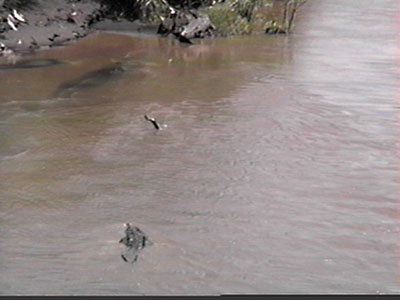
There are crocodiles in many rivers and estuaries of Costa Rica. In 1995, the local newspapers reported that a tourist guide and some tourists fell overboard from a canoe as they were traveling along the river for a sightseeing tour along the Rio Colorado (which is also the border of Nicaragua) in northern Costa Rica. The tourists swam to shore in a thick jungle area and waited to be rescued. The guide, thinking that he would use his head, just floated down the river with the current hoping that he would find some people that could help out. If you're a fisherman like me, you know what happens when you float a lure or fly down a river, you often get a strike that way. Well, a crocodile, waiting for some food to float by, grabbed the tourist guide and ate him, whole. The next day some rescuers came, rescued the tourists, and actually found the 14 foot crocodile and killed it. They found several human bones, including a femur, that were still in his stomach. Don't swim in the rivers in Costa Rica unless you're a very FAST swimmer.
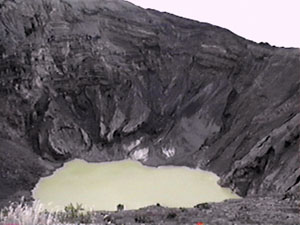
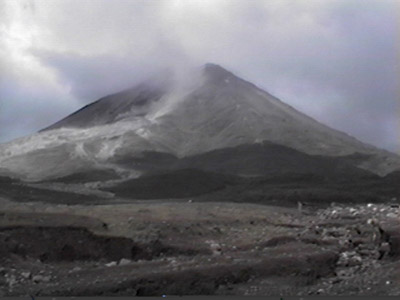
Earthquakes and tremors are common, completely unpredictable and definitely nothing to take lightly. In case you're wondering, there is no building that can stand up to a severe earthquake. In 1985 we had an 8.5 earthquake! The ground felt like it moved about a foot up and down several times in a wave-like motion and it happened at night! Luckily it produced a vertical movement instead of horizontal, which would have been a real disaster. Don't be surprised to suddenly see everyone running for the door as fast as they can move if they feel some tremors. If you're in a movie theater (one of the most dangerous places to be) you'll be trampled because the people won't think twice about running right over you. If you're with children, you could be in a life threatening situation if it's a strong tremor because of the hysterical fear everyone feels. And don't sit there feeling embarrassed to run - if the tremor is really strong...get your butt out of the building as fast as you can! If it's small, just keep drinking your coffee because sometimes there are several thousand small tremors in a single day. If you get scared easily from the tremors, you'll never get any sleep because they are very common. There isn't a wall in the country, I don't think, that isn't cracked from earthquakes. They just fill the cracks and paint over them. Almost every building in Costa Rica is made from concrete blocks filled with cement and with iron reenforcing bars running through the holes in the cement block. This at least helps provide some protection in case of an ordinary earthquake. Many tall buildings in Costa Rica, such as the Holiday Inn, the INS, the ICE, the Centro Colon and maybe some others, are built on a type of "rollers" that help prevent the building from toppling in case of a serious earthquake. This is theoretical of course. It isn't unusual to hear reports of several thousand tremors in one day. A huge active volcano, Irazu, is just 12 miles away near the town of Cartago. This volcano erupted violently in 1963 and covered the entire capital with several inches of volcanic ash. There are about 12 volcanoes in the country, many of them active. A few years ago five American volcanologists were carbonized instantly by a hot air vent that opened up in the ground when they ventured up the slopes of Arenal Volcano after local residents had warned them that it was too dangerous. The volcanoes sometimes give off huge amounts of deadly poisonous gases at times killing thousands of cattle grazing on the slopes. There is a town near the Arenal Volcano called "Tronador" which means "Thunder". It was named after the frequent enormous roar of gases escaping from the mouth of the volcano that can be heard day and night in that little town. If you go there you will probably hear the roar which is "tremendous". It is the loudest sound you will probably ever hear in your life. One positive effect of the volcanoes is that they produce a 6 foot deep layer of rich black topsoil everywhere. If you like gardening, the soil is so rich that it isn't necessary to use any fertilizers, and flowers of all kinds grow like weeds. Orchids, bromeliads, and many other tropical ornamental plants regularly sold in stores in the U.S. can be found by the millions growing wild everywhere in the mountains and valleys. Costa Rica exports millions of flower seeds, roses and other ornamental plants to the U.S. every month. They even export butterfly chrysali, believe it or not.
Crime: Many international criminals have
found safe refuge in Costa Rica. America fugitive financier Robert Vescoe
was one of the most famous of these. He defrauded American investors out
of about $200 million dollars and escaped to Costa Rica where he became
a businessman and investor. He bought the Excelsior newspaper (doesn't
exist now), Country Day High School, and several other businesses and many
corrupt politicians. The U.S. Embassy pretended to try to extradite
him for many years but despite the fact that they had the best lawyers
in Costa Rica, they seemed to never be able to pull it off, even though
it's a fairly straighforward and simple procedure. I found out later that
the reason why they deliberately messed up the extradition attempts was
that Vescoe had threatened to reveal illegal activities by several U.S.
Congressmen if he were extradited to the U.S. So the embassy each time
would deliberately make small technical errors in the presentation of the
extradition requests, knowing that these mistakes would cause the requests
to be denied by the Costa Rican authorities. Finally public pressure to
do something became too great and Vescoe was forced to look for assylum
elsewhere. I think he ended up in Cuba that last I heard of him in San
Jose. Nevertheless he lived in Costa Rica for several years and even had
two or three kids that were born there.
Gambling is very popular among
tourists and especially among the Chinese. There are several casinos
in San Jose and you can see Chinese players sometimes betting thousands
of dollars on a single role of the dice. Organized crime from the U.S.
has been operating computerized sports (American) betting by phone and
Internet for several years now right in downtown San Jose. I'm sure the
FBI knows about it but why should they shut it down there if they have
been allowing it to thrive for so many years in the U.S.??? Besides even
J. Edgar Hoover used to participate in illegal gambling...when he wasn't
out shopping for new pantyhose.
Small, but dangerous gangs
of hoodlums roam the streets day and night, especially from about 5:30
p.m. on, assaulting and sometimes even killing people for trinkets, earrings,
cameras, gold chains (which they tear off your neck or ears instead of
waiting for you to give it to them.) This happens even when there are large
crowds of people around everywhere. This kind of activity used to be rare
in Costa Rica. There are many plain clothes police (secret police) in Costa
Rica. Secret police are common in all Latin American countries. Don't depend
on them for help since they're usually busy somewhere extorting money from
Chinese businessmen, storeowners, and drug dealers. Uniformed military
police roam the streets but I have never seen them do anything except try
to walk in step, which they seem to think is extremely important. They
are mainly for show. The mobile police or city police (radio patrullas)
travel around in white automobiles and perform most of the actual arrests
(and shakedowns). They wear brown uniforms and actually do their job once
in a while if they get bored and can't find a drug dealer anywhere carrying
a large amount of cash. Usually they try to see how they can make money
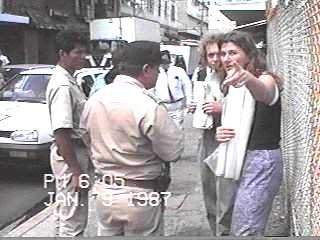
from an arrest, if at all possible. Here is a
photo of some of these police (called radio patrullas in Spanish)
harassing tourists in front of my school in downtown San Jose.
But, just like gangland Chicago they're almost all on the
take, and dozens are regularly arrested for rape, murder, bribery, etc.
and are duly punished by being severely transferred to another department
and with a few days off, with pay. (In 1994 they had to fire 125
police for various serious felonies including the ones mentioned above,
from just one department of the police.) Sound familiar? It should - Costa
Rican police receive their "advanced training" from American police
and the FBI who send them special instructors periodically. The U.S. Embassy
conducts these kinds of police training programs in many countries throughout
Latin America. As a consequence of these training programs, the police
have become increasingly corrupt and more closely linked to the narcotics
traffickers than ever before. Another problem is that these police are
paid slave wages that no one could live on, even in Costa Rica. This guarantees
that almost 100% of the police and their superiors are corrupt and have
actually become the first group of organized criminals in the country.
Before about 1980 there were very few of these kinds of problems. The whole
situation is very similar to that in Chicago police departments here in
the U.S. As a matter of fact, the biggest mafioso to come to Costa Rica
in recent years was an ex police chief from Chicago. Evidently he saved
up millions of dollars in his position as police chief over many years
and decided to come to Costa Rica (known to welcome ANYONE with a lot of
money) and buy every casino in town in just one year. He even tried to
buy the Grand Hotel de Costa Rica for about 3 million dollars. I guess
he was just a very frugal police chief. There seem to be a lot of American
police these days that are able to save up large sums like this!
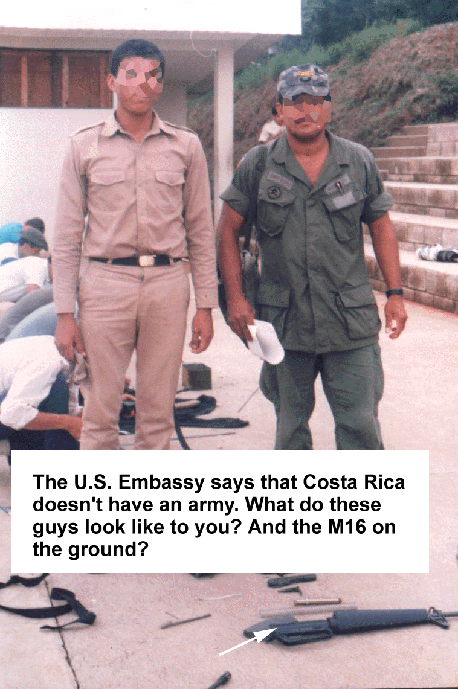
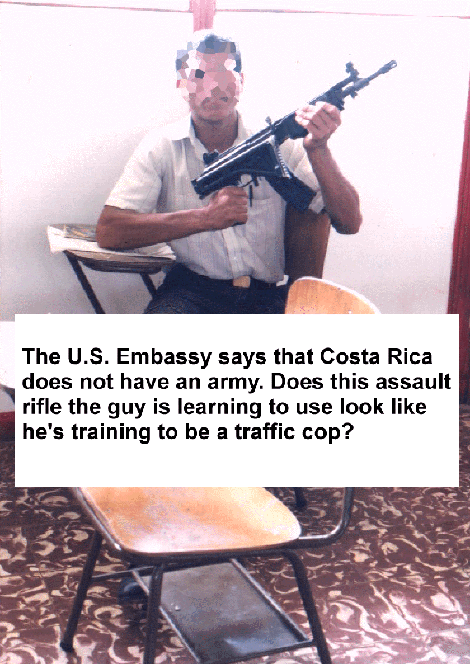
There are about 2,000 plain
clothes members of Costa Rica's "secret" army, you know, the one that the
U.S. Embassy and ALL the tourist brochures say doesn't exist? (Here
are some photosof some of the soldiers
that Costa Rica doesn't have, in fatigue uniform with their
M16s during automatic weapons training exercises.) Now, do these guys look
like they're training to be meter cops? Of course not, they're soldiers
and I know dozens of them personally including the ones in this photo.
It's just one of the many lies that are told to Americans about Costa Rica.
Nicaragua. Costa Rica's northern neighbor, is constantly harassing Costa
Rica so they have to be prepared for any kind of military threat from them.
But, I have to be fair...these things pale in comparison to the slavery,
murder and torture that goes on daily in one of the Central American countries
that the U.S. government has been strongly supporting for many years, beautiful
and picturesque
Guatemala. But that's another 2 dozen web pages
or so. In order to achieve a true and realistic understanding of the socio-political
realities that exist in the countries in Latin America, you should never
confuse the tremendous
scenic
beauty of Central American countries
and the friendliness and generosity of the ordinary people....with
the arrogance, apathy and pathological greed of the corrupt scoundrels,
drug traffickers, money launderers, murderers and tyrants that govern them.
Street crime: Most of the street crime in San Jose is petty theft, not at all like the gangland shoot-outs that go on nightly here in the Chicago vicinity. More people are murdered in Chicago and its suburbs in one year than have been murdered in this entire century in Costa Rica including their revolution! The major crimes there, like in most Latin American countries, are by the police (rape, drug dealer shakedowns, extortion, bribery), politicians, government officials and former officials, i.e. stealing government funds (i.e. the colossal bank fraud by directors of the Banco Anglo '93-'95), especially those funds provided by the U.S.A.I.D., bribery in Customs at the Airport and border crossings, illegal contraband of merchandise from Panama, and the biggest to date - cocaine trafficking organized in the early '80s by the CIA through convicted (see Hitz Report) U.S. cocaine trafficker, Col. Oliver North, later pardoned in order to keep him quiet about further revelations of a host of other illegal CIA activities in Central America, in order to circumvent restrictions by the U.S. Congress (see Boland Amendments, October, 1984) on financial aid to the Nicaraguan Contras). North was officially declared a "Non-Grata" citizen (officially unwelcome) and is prohibited from entering Costa Rica as is true for John Hull, the American rancher who retired there many years ago and bought several ranches in Northern Costa Rica. John Hull loaned the CIA the use of one of his small airports at his ranch in Guanacaste, Costa Rica (near La Fortuna), for the planes that flew tons of cocaine (see Iran Contra) to Mena, Arkansas and other places in the South during the middle '80s when Clinton was the governor of Arkansas.
Blacks: On the Atlantic coast you
will find that about 95% of the people are black and mestizzo (mixed Black
and Spanish or Indian). Although Costa Ricans generally profess not to
be racist, they are. Almost every country in Latin America is racist with
preference always being given to individuals with lighter skin and Caucasian
features, and it's very easy to prove. They even had a law, until
1949, that prohibited anyone of the negro race from traveling past the
military post at Siquierres, (where they would be stopped) in order to
travel to the capitol of San Jose. The white Castillian Spaniards didn't
want to mix races so they prohibited their migration to the Central Plateau
region where almost all of the whites lived. Even today the races remain
basically isolated as you will easily see if you visit the port of Limon
and the capitol of San Jose. The blacks all speak English and a Carribean
dialect called Patua (pronounced PAH-TWAH),
which seems to be a mixture of several languages such as Dutch, German,
English, French, Portuguese and Spanish. Sometimes when they talk to each
other in Patua, even THEY don't understand each other! Even when
they're from the same town. These blacks were brought to Costa Rica at
the beginning of this century in order to build the only railroad in the
country. They stayed on and the blacks living today in the port of Limon
are their descendants. Costa Rican blacks do not like to be called "blacks"
(although they don't seem to get too offended if you make that mistake)
in the Spanish language which would be the word "negro", the same
as in English. They prefer to be called "browns" in Spanish, i.e. "morenos".
This same story applies in general to other black populations all over
Central America. In spite of all that has occurred to them, they don't
seem to have the same kinds of psychological hangups that American blacks
have today and therefore they live in relative peace and harmony with their
white Spanish neighbors. The blacks that you see that have recently arrived
from Haiti, Dominican Republic, and Jamaica are usually there to deal in
drugs. You can often see them hanging around night clubs downtown giving
away free samples of crack to young Costa Ricans trying to get them hooked.
(Watch them outside of the nightclubs "Happy Days" and "Sonrisas"
in downtown San Jose.) Since most Costa Ricans have never been interested
in even trying drugs, the drug dealers have to give it away to get them
to at least try it. Of course the local police do nothing except ask for
their fair share of the cut or sometimes, as here in Chicago, if they catch
them red-handed, they take everything (drugs and money) in exchange for
letting them go free. Then later they sell the drugs back to them or to
some of their cohorts, again just like in most major cities in the U.S.
today.
Flirting: One of the
most ridiculous things I observed in the black port city of Limon, was
a young black man trying to hit it off with a young black girl by calling
her "Macha", a term commonly used in Costa Rica which is somewhat equivalent
to calling someone "blondie" in English! The reason why he did this is
because to call anyone "fair-haired, blonde, blue or green eyed" (in Spanish)
or anything similar to this, is equivalent to a compliment or better yet,
flirting, anywhere in Costa Rica and actually in all of Central America,
even Mexico. Another unusual custom in this regard is that they also call
someone "negro" or "negrita", whether they are black or white,
as an affectionate compliment (flirting)! When they use these terms they
are almost always flirting, just so you understand their real intentions.
This is important because one day I was on a bus at the beach in the port
of Puntarenas and a beautiful young girl says to me, "Adios mi negrito!"
trying to flirt with me. I responded like a real "burro" as they
say in Spanish, and said, "Go to hell bitch!" She looked at me with such
astonishment, like she really didn't expect that at all. My Tico buddy
sitting next to me slapped me hard on the shoulder and said, "Are you CRAZY!?
Why did you say something so stupid? Did you see how beautiful she was?
You idiot!" Then I was really confused, the girl had gotten mad with me
AND my friend also! What had I missed in all this? I then said to him,
still confused, "But she called me a nigger!? Why did she do that?
THEN he explained to me what "negrito" meant! I really felt like
an idiot then! This little story just illustrates that things are
really
different in other countries and words can have totally different
meanings and connotations in other languages, so a word to the wise:
WATCH OUT!!! And I found out later that there were MANY, MANY other examples
just as ridiculous as this one! Here's another one just as an example:
Ticos frequently and casually tell someone that they are a "mentiroso",
which translates literally as LIAR! Well, evidently in the Spanish culture
being called a LIAR isn't anything bad at all! But not where I come from
in the South! Those are fighting words. I used to get furious when
someone would say that to me until someone explained it completely. The
same goes for the Spanish word, "maricon", which means literally
"fag or queer". BUT in Costa Rica it just means that you're a wimp
or candy as we used to say in the South.
Costa Rican laws: In general, their laws
are patterned after many U.S. laws, but not always and many times with
their own peculiar twist to them. A word of warning to all men: If you
get a Tica pregnant, she can easily go to the Patronato Nacional de
Infancia and put a legal order against you that will make it impossible
for you to leave the country by air, boat or automobile until she agrees
to sign a release (usually for a sum of money). If she doesn't sign the
release, you will stay in Costa Rica until she decides to do it. There
are no exceptions and I suggest that everyone be very careful about this
since the Ticas will often try to get pregnant.
Bribery, kickbacks, and payoffs
are technically illegal in most countries just like illegal campaign
contributions are here in the U.S. In other words, they do it every chance
they can possibly get away with it. Any major business transaction, such
as building a hotel on the beach, starting a cellular telephone business,
etc. REQUIRES some sort of huge payoff to some official(s). No payoff =no
business. Of course they don't call it a payoff or bribe just like crooked
judges in the U.S. don't call illegal campaign contributions in exchange
for influencing a verdict, a bribe either. But don't get caught openly
offering a bribe to an official or you will be in trouble, especially if
you happen to encounter the one or two guys in the country who aren't on
the take. Usually you can get someone of the same moral fiber to give the
guy the bribe...let's say a lawyer. Technically if you offer a bribe
to a foreign official or businessman, you are also breaking U.S. law -
what a joke! NONE of the big business in the world today is done without
these "exchanges" of good will and even more so in Latin America. In Mexico
you can't even cross the border without giving a bribe usually. Bribes
are considered like a "tip".
Unlike in the U.S., their
laws are made so that almost anyone can read and understand them without
consulting a lawyer (in Spanish of course). There are some important differences
in the way the judicial system operates since cases depend a lot on physical
evidence and witnesses rather than cases being decided according to previous
decisions or precedent as in the U.S. As far as civil suits are concerned,
it is almost impossible to sue for damages against anyone in Costa Rica,
for example against a doctor for malpractice. If a doctor makes a mistake
there, you can just about forget trying to sue, it almost never
happens even when it's obvious that the doctor was negligent. In general
though, I found the Tico legal system (at least as far as the courts
are concerned) to be much fairer than the U.S. system. O.J. Simpson
would never have gotten away with murder in Costa Rica. Their biggest failing
is with the long drawn out legal process and the poor quality of the penal
institutions which cause men to have to live under deplorable and unsanitary
conditions. Many times prisoners have no place to sleep unless they have
enough money to purchase a sleeping space with some sort of mattress
or other bedding material. If they don't have enough money, they sleep
on the wet concrete floor in a hallway. Of course their jails are like
the Holiday Inn compared to the prison death camps and horse corals (Coatepeque)
used as jails in Guatemala. In case you feel like talking to the Ticos
(Costa Ricans are usually referred to with this name) about their laws
- they don't care at all about what laws exist in the U.S. concerning civil
rights, due process, human rights, employment or anything else, so forget
even trying to talk about that with anyone. They don't want to even hear
about it. Americans act exactly the same way when Costa Ricans criticize
them for allowing Oliver North to get away with trafficking tons of cocaine
to the U.S. and at the same time our government criticizing the countries
in Latin America for not doing more to stop the flow of drugs to the U.S.
What incredible hypocrisy on the part of the U.S. government! For
every criticism that you can make about their country, they can easily
point out several valid criticisms about our own. And many times they can
point to things that most Americans don't even know about because of American
news media's selective bias and complicity in news coverage. You can learn
a lot about the activities of the U.S. government and the skewed bias of
American news media by living in other countries where the local news media
hasn't been transformed into a finely tuned socio-political instrument
for the mass manipulation of public opinion for the benefit of politicians
and special interest groups, as it has in the U.S.
The U.S. Embassy, so as not to discourage Costa Rica's income from tourism (which would indirectly increase Costa Rica's requests for our generous foreign aid), doesn't warn people about many of these things and at the same time tries to give Americans the fallacious impression that they are there to protect and serve them. The Embassy does work hard though to investigate Americans who go there to live since many go there to take advantage of some of the tax havens that large American corporations with overseas branches have been enjoying for so many years. Here's an important tip to always remember: If you have any trouble while you're there, and you're thinking about asking the U.S. Embassy for ANY kind of assistance other than using their pay phone, think again. This even includes U.S. military veterans. Your chances of getting help are better, and this is no joke, if you request it from the Soviet Embassy! To quote a U.S. Embassy official in Belize who once said to a 65 year old 23 year veteran of the U.S. Navy and veteran of two wars who had lost his identification papers and wanted to get a temporary passport so he could continue on to Costa Rica, "Well, it sure would be nice if we were a philanthropic organization, maybe we could help you out!" Does that show you what kind of people we hire to represent the U.S. overseas? The U.S. Embassies even open an FBI file on all Americans that stay outside the U.S. more than 30 days. You are actually considered a potential threat to the security of the U.S. once you have been exposed to foreign media (not controlled by U.S.) and possibly even had the chance to converse with such unsavory criminal characters as ex-CIA agents etc., which is not an uncommon occurrence in Latin America.
Costa Rica's Black Market: The Black Market operates openly in the very center of town in spite of the fact that it is, at least on paper, against Costa Rican laws. The local police even stand guard (sometimes) so that things don't get out of hand. Everyone uses the Black Market, even some departments of the government. Money laundering and the illegal purchase and sale of American dollars are facts of life in these countries and are so routine that you shouldn't even think of them as we normally do in the U.S. The Black Market is located on the corner, right downtown, just below the offices of "Radio Monumental", where a gang of very dangerous scam artists (using American dollars) operates 24 hours a day with full knowledge by the American and Costa Rican governments - just 100 ft from the Treasury Bank (Banco Central de Costa Rica). The government office that checks for counterfeit bills is only 25 ft from where the counterfeiters stand to ply their trade! Hundreds of foreign tourists get ripped off there every month trying to exchange American dollars for the local Costa Rican "colones". The counterfeit American dollars are bought on the street in Columbia for about 30 cents on the dollar and then passed off in Costa Rica to unsuspecting foreign tourists. Believe it or not, millions of dollars of legitimate money are also exchanged (laundered also) at this intersection (and the immediate vicinity) each month. I once exchanged dollars with a man that was carrying $300,000 dollars on him with a chain wrapped around the wad of money and his waist! If you ask the police why they don't arrest the counterfeiters they'll tell you that they can't do anything about it because Costa Rican law says that unless you can PROVE that the counterfeiter KNEW that the money was counterfeit, then no crime was committed. You have to prove that someone had the "intention" to defraud you. Sounds like a good racket huh? It is. What would criminals do if it weren't for the earnest efforts and ingenuity of astute lawmakers and corrupt police?
Drugs: Contrary to the erroneous impression
we have here in the U.S. of drug use in Latin America, very few
of them use drugs. I'm not referring of course to those Latin Americans
here in the U.S. who have become drug users because of the overwhelming
influence of the popular drug culture here. I've talked to many Central
Americans about drugs and they always say that the Americans are "the
only ones stupid enough to use drugs", that all the drugs they produce
in their country goes to the U.S. and that if Americans weren't such a
bunch of dopeheads, they wouldn't be doing it. I agree with them completely.
Drug abuse by Costa Ricans is about what it was in the U.S. in the
fifties, i.e. almost nothing. You are considered to be real
scum
in Costa Rica or in almost any part of Latin America if you use crack,
marijuana or any other such drugs even if only in small amounts.
It's very important to remember this because your reputation can be ruined
very quickly there since everyone knows everyone else. It's a small country.
Costa Ricans enjoy life (as much as possible of course), they are not trying
to escape from it as many Americans are doing. If someone there finds out
that you use drugs, they will probably try to avoid you like the plague
and very soon, everyone around you will know that you are what they call
a "marijuano" which is a very strong insult there. Since Costa Rican
police began to be trained by professional instructors from the U.S. Justice
Department several years ago, teaching them about how law enforcement agencies
operates in the U.S., they have begun to regularly shake down drug
traffickers, stealing their money and drugs, then reselling them sometimes
back to the same criminals that they shook down! In other words they have
become truly
professional law enforcement officers just like the
kind you find everywhere in Chicago and every other major city in
the U.S. What the police really don't tolerate there is drug possession
by foreigners (even if it was planted in your things by the police),
especially crack or cocaine. So, if they catch you with dope, you're in
BIG
trouble, and I mean really mean BIG. Not because they have anything really
against drugs (they make most of their extra cash from shaking down drug
dealers), but because they realize that they now have you by the "huevos",
or "cojones" as they say in Mexico, and that they are going to drain you
and your family in the U.S. out of every cent they can, AND they know that
the U.S. Embassy in Pavas (a wealthy suburb of San Jose) won't do a thing
to help you, no matter how bad your situation is or how long you have been
held in jail without a hearing or trial. If you criticize the Embassy for
allowing these things to go on, they always respond that these are
sovereign
countries and that the U.S. can't do anything about it. What a bunch of
crap! Right now we're bombing the hell out of a sovereign country every
day and planning to take away a huge part of their "sovereign" territory!
We have attacked and undermined or overthrown more foreign governments
this century than the Third Reich! The only difference is that we
haven't used tanks.
Costa Rican jails,
like most in Latin America, are inhuman and filthy (see Unidad de Admision
de San Sebastian,
La Reforma, etc.). You can wait for months
or even up to a couple of years before you even have a hearing sometimes.
Having trouble believing these things? See what others who are in the business
of documenting human rights abuses have to say..Go to Amnesty
International's site and look for info on human rights abuses in
Costa
Rica! To be fair, their record is mild compared to all of
the other Central American countries. Read this report on Honduras
and
you will understand how the police and other government agencies operate
in general in Latin America. When you read through these reports, keep
in mind that our (U.S.) government firmly supports the governments of these
countries and consequently the men who commit the atrocities mentioned
in these human rights violation reports. I want to stress again though
that Costa Rica is the LEAST guilty of these things if you compare it to
the other countries in Central and South America. Of course, that STILL
doesn't excuse them. In many countries in Latin America, to be arrested
and put in jail, is almost equivalent to a death sentence...Guatemala is
a perfect example of this.
Bus transportation in San Jose is slow but very cheap, and you often have to wait in long lines especially at certain "paradas" or bus stops. People will cut in front of you in a line anywhere in the country, pushing and shoving, it's every man for himself! You should always guard your place in any line carefully. Buses are packed until no one else can fit standing up. Pedestrians do NOT have the right-of-way in Costa Rica and cars, trucks or buses will run you down in a second if you're not alert! (This piece of advice alone makes it worthwhile to read this whole website!) They will frequently go up on the curb or speed up sometimes to try to clip you. It's almost like a sport believe it or not. Anyone who isn't careful when crossing the streets is considered to be an idiot who deserves to be severely punished. People cross the streets wherever they feel like it. Buses are often called "cazadores" (meaning "hunters" in English) in many Latin American countries, due to the fact that they will actually go after you and TRY to hit you. This kind of behavior is strange but true all over Central America! Remember, I warned you ahead of time to always watch out for this! If you are severely injured, you will not collect a dime for your injuries.
Taxis are very reasonable but they will cheat you if they think you don't already know more or less (mas o menos) what the fare should be to a certain destination. Some taxi drivers can get violent if you argue with them about the fares unless you both agreed previously to a certain fare. If you refuse to pay what he demands, a fight may insue or even worse-he'll call the other taxi drivers and they'll gang up on you. Best to ask the driver how much before you get in the taxi...remember, I told you to ask first. They have meters that are required by law, but half the time they're aren't working or they deliberately disconnect them. In order to make more money, taxis frequently try to pick up other passengers on the side of the road along the route, especially when they are receiving too many calls, unless you (politely) protest. If you agree to allow him to pick up another passenger, you can usually ask for a reduced fare since you are sharing the cost with the other passenger. Don't accept to do this at night though.
Air fare within Costa Rica is also very reasonable if you're not on a tight budget. The airline of choice for local internal flights is called SANSA and there is even a helicopter service located in the building diagonal to the northeast corner of Radio Monumental in downtown San Jose. Make sure you negotiate everything carefully and don't take any chances, always err to the side of caution in everything you do in Costa Rica. Costa Rica has hundreds of small, dirt airfields all over the country because of the time it takes to drive to many remote ranches and regions by automobile. LACSA airlines is the biggest Costa Rican airline that makes international flights. The biggest airport and the only one used for international flights is Aeropuerto Juan Santamaria located about 15(?) miles from San Jose on the highway to the Pacific port of Puntarenas. In case you're interested, there are also a very large number of Ham radio operators in the country.
Automobiles and Rental: A car is considered a tremendous luxury since most people can't afford them. Having an automobile there is like having an airplane here in the U.S. Automobiles pay about 250% importation tax which makes them extremely expensive to purchase. In spite of their high cost, it's common to see Costa Ricans with BMW, Mercedes, and Jaguars. You almost never see corvettes or cadillacs. Gasoline is about double what it is in the U.S. and spare parts are about double sometimes triple the cost. Many times spare parts for certain vehicles have to be special ordered and delivered by courier service, making them even more costly. Motorcycles are very common, especially ones with small engines. Having a boat is very uncommon in Costa Rica unless you live on the beach. If you were to leave a boat at a dock anywhere in the country without a guard, it would be stolen soon. Most stolen vehicles or boats are never recovered. In many parts of Latin America, a large percentage of the automobiles are ones which were stolen in the U.S. The FBI never does anything about it (hey, why ruin a good thing for them) so it has been a regular and thriving business for many, many years. Once when I was driving through southern Mexico I met a guy from California and we decided, for safety's sake, to travel fairly close together through the rest of Central America, at least as far as was practical. He eventually told me that he was a regular "runner", taking cars from the U.S. to Chile where he would be paid a good price for them. He made it clear that they were stolen although he didn't use those exact words. He explained to me how easy it was to get through the borders etc with false passports, documents and car titles. Amazing as it may seem, I drove through every country in Central America, with only a driver's license! I don't know if that would be possible now, but for the right price, anything is possible down there.
Automobiles can be rented at reasonable prices. Costa Ricans walk a lot more than Americans and after you're there a while, you'll be doing it too. An automobile is a definite luxury in Costa Rica, you can live perfectly well without one. If you own a car, everyone considers you to be beyond any doubt, rich. Many people struggle and save their whole life so that some day they can buy an old used car. Car theft is a fairly big problem in Costa Rica and many times when you park your car to go into a movie theater for example, you will have to pay a small fee to somebody there (maybe even a young boy) to watch your car while you are inside. THIS DOES NOT GUARANTEE that the same person might not steal your car! But what else can you do? You are as they say in Spanish, "Entre la espada y la pared"(between the sword and the wall as they say)! (between a rock and a hard place for most of us gringos).
Teaching ESL (English as a Second Language)
- If you're seriously interested in teaching English or living and
working in Costa Rica in some other profession, you should read the info
I have here on this site carefully before deciding to take the plunge.
Teaching ESL, better known as
English as a Second Language, is what
I did for a living in Costa Rica for almost 23 years. I had a private school
in downtown San Jose and had several hundred students studying English,
computers, and conversational Spanish for foreigners. I also founded English
departments and taught ESL in two private universities there during that
time and also wrote and published two textbooks for teaching ESL. I also
did thousands of translations for private business and governmental organizations
of Costa Rica and the U.S. government. Everyone in the country is interested
in learning English. They need to be able to speak and read English for
most of the better paying jobs in the country. Even though the University
of Costa Rica has an excellent English school and produces many fine English
teachers, the Ticos (Costa Ricans), prefer to study with an American since,
in that way, they are assured (at least they think), that they will hear
the best pronunciation possible. Since there is such a demand for English
teachers, many schools will hire any native speaker as a teacher, even
if they have no preparation as a teacher. It really isn't necessary as
long as the American, or whoever, speaks English with good pronunciation.
Because of the shortage of native English speakers, many schools are willing
to help you get the necessary work permit that is required to be able to
work legally, or at least they will help guide you in the right direction
since most of them have dealt with this problem previously. In practice,
most schools hire teachers illegally since Costa Ricans authorities are
generally very lenient and flexible in regards to this particular point
of law (and many others for that matter!). The best time to apply for a
job teaching English is during the first week or two of January which is
when most private English schools start (energetically) their school
year. You should apply in person, not by mail or fax. Submitting
resumes and applying for jobs in Costa Rica by mail or fax just doesn't
work. Anything to do with the mail, most people try to avoid. Unless they
can see what kind of person you are, how you dress and act etc, your age,
they're not interested. Companies openly advertise for job applicants of
a certain age, nationality, and even good looks! THERE IS NO SUCH THING
AS EQUAL OPPORTUNITY EMPLOYMENT! Of course, from what I can see here in
the U.S. now, there isn't any real Equal Employment Opportunity here either
except on paper, OR if you're black, female, openly gay or belong to a
union. There is usually less demand for English teachers from June till
December (rainy season=their winter) because there is a drop in attendance
almost as soon as the rainy season starts.
Teaching English won't make
you rich but you may be able to get by if you teach enough hours or especially
if you give private classes where you go directly to the students place
of business or home, one on one or to small groups. It will take you some
time to build up enough students to keep you busy most of the time and
students may not study with you but a short time. Be forewarned that to
get your own students you'll probably have to put ads in the local newspapers
that can cost $100/day or more for a small, effective ad and you'll have
to put in several to get any significant number of students. (It's usually
not worth it.) At the same time, you can't charge much for English classes
or you won't be able to compete with the other private schools. Then you'll
need a decent place to teach them that is conveniently located which can
end up being very expensive and a very risky business venture
considering the high cost of the newspaper ads. It's definitely not
an easy business to get into on a large scale. A major obstacle to
business in Costa "Rica is that the country's population is just not sufficient
to begin with to provide many opportunities. The total population is only
about 3 million and a large percentage of them are very poor. The rest
of Central America is even worse off. In addition to these difficulties,
you'll need a telephone which can cost you over $200 just for the "derecho
telefonica" and can sometimes take months for them to install it. There
is no guarantee of exactly when the telephone will be installed and you
must pay the total amount in advance to even be put on the list for future
installation. In the residential areas, it can sometimes take more than
a year to get a telephone. In the downtown area, it is much faster to get
phone service installed. Always ask someone at the Radiografica
or ICE (Instituto Costarricense de Electricidad) if there are "pares"
(telephone pairs) available at your street address. If there aren't any
available, don't bother to purchase the "derecho telefonica" because
you'll probably just be wasting your time and money because they won't
install your telephone for a long time. There is only one telephone
company (Radiografica) in the country and one electric power company (
I.C.E.).
Salaries for teaching English in Latin America are usually quite low, never comparable with anything in the U.S., and most positions are only part-time, probably in the evenings from 6-9 pm. It's extremely unlikely that you will ever earn enough to be able to live as you probably do in the U.S.. At the least you should be able to make enough to pay for your daily living expenses. You can make more money usually if you can teach computers but then you will have to be able to speak Spanish well. If you really want to make a good salary, I would suggest going to Japan, Taiwan, or the Middle East where salaries are much higher. Teaching hours in most schools are usually from late afternoon until about 9-10 p.m., Monday through Friday. A few schools have some classes in the mornings but not as many as in the evening. Most students have jobs during the day and pay for their classes out of their own money so if they don't enjoy the classes they drop out quickly and won't return. Financial aid is available only for students at the university. Most language and computer schools pay teachers every week or every two weeks and always in local currency and in cash. Americans do not have to pay U.S. income tax unless they make $75,000/year or more but you should keep up to date on this law by consulting the U.S. Embassy in San Jose.
Costa Rican Customs: After only a
short time you will learn that life is VERY different in Latin America.
The longer you live there, the more differences you will notice. American
men usually love living there, whereas American women in general strongly
dislike Costa Rican customs and as a rule despise Costa Rican women. Why?
Costa Rican women are almost always young, slender, beautiful, large breasts
and crazy about American and European men AND not afraid to show it even
in front of their girlfriends. I guess that explains it, huh? The women
are uninhibited and undemanding. American women always get really angry
when they observe that young beautiful Ticas are very attracted to older
men (of whatever nationality). I have even heard Ticas ask an American
laughingly if the old woman with them (their wife) was their mother! This
kind of thing happens because most of the men there prefer younger women.
Most Costa Rican men over about 30 would almost never consider dating a
woman their age or older. American men think the same way but they are
usually afraid to admit it at first and never in front of an American woman.
It doesn't take long for most of them to transform into man's best friend,
Canis
familiaris. The average age of all Costa Ricans according to
national statistics is only about 15 years old (as it is in most developing
countries), so one of the first things we notice when we walk around in
downtown San Jose is that everyone seems to look younger and slimmer than
in the U.S. Costa Ricans look younger for their age than Americans in any
case. They also have very large families - a small family might be 3 kids,
my secretary had 14 brothers and sisters! This is the case all over Latin
America. Long hair for men is not generally well liked or accepted although
there are a few exceptions. In general, Costa Rican society is very
liberal and the people act almost any way they please. They kiss and make
out in public, flirt openly, curse openly when they are mad, and when driving
an automobile, they will pass on the left, right or go right over you if
they can! Instead of the traditional American wolf whistle, Costa Ricans
make a hissing sound and both sexes do it. Traffic laws are rarely obeyed
unless there is a cop actually present or nearby. Most people are anti-gay,
anti-femenist, a little anti-black (mainly due to drug trafficking blacks
from Jamaica and Haiti), somewhat anti-chinese, strongly anti-Nicaraguan,
Cuban, and Colombian, many
used to be Communists (college students
and professors, especially those in the rich class), and the average citizen
is mostly pro-American. They are habitually very late for all appointments
or meetings. Being on time is considered to be "strange". When you tell
someone to meet you at a certain time, you have to specify if it's "hora
Tica" or "hora inglesa". Literally you have to specify if it's Tico Time
or English Time! If you buy something in a store, it's yours for life,
you can't return it. Returning items is almost unheard of. If there is
some very minor defect with a product, forget trying to get them to replace
it, in general. Also, many people haggle over prices for many things, except
in certain types of businesses or when the price is posted. Costa Ricans
appear
to be quite religious since you always see many Catholic churches and people
going to Mass etc. but in reality its somewhat superficial and ceremonious.
Abortion is considered
equivalent to murder in Latin America and is totally illegal (a felony)
although illegal abortions that are kept quiet and done at home are fairly
common. Most women who get pregnant just accept it even though it generally
causes extreme hardship for them and their parents. You will rarely see
a girl 20 years old who doesn't have at least one child. Most men disappear
from the scene when they find out that their girlfriend is pregnant so
there are many thousands of young girls who are single parents. To many
Costa Rican men it is still important for their bride to be a virgin although
it's not as prevalent as it was many years ago. Few married men will allow
their wife to work outside the home. Most want their wives to stay home
with the kids.
Many Tico men are heavy beer drinkers (drunks) and Costa Rica is about number two in the world in per capita consumption of alcoholic beverages, second only to Germany. They're number one in number of automobile accidents per capita.
Parrots and Pericas: Almost everyone who lives in the suburbs has one or two loud-mouthed, squawking parrots or ear shattering "pericas" (which are smaller but even louder and more irritating) and at 6 o'clock every morning they all seem to get very excited in some sort of frenzy and all start squawking at the same time. Since most houses have an open window or airway access in the kitchen, you can hear every damned parrot in the neighborhood until they have their coffee and bread and finally calm down. And, by the way, they usually have to have their coffee and bread at the same time as the family (early) or they get even more upset and cranky!) They imitate every sound they hear in the house, the toilet flushing, kids screaming, cursing, the phone ringing, someone answering the phone, squeaky bed springs, groans, belching, anything you can think of. It's a riot. You can usually buy a parrot there for only about $20 dollars. Parrots are very smart. Don't teach them to curse or you'll be unable to stop them later and your neighbors may complain that you have a foul-mouthed parrot and that it should be exterminated. Also, don't say things that you don't want him to repeat, like the name of your lover (if you're married), because they really will pick it up and you'll be sorry.
Ticos and Ticas are very promiscous (much more than the average American who isn't faced with much temptation considering the fat heifers I see here in the Chicago area) and most men cheat often and regularly on their wives and many married women expect a man to cheat on them. (Many of them cheat on their husbands too if they can get away with it). In spite of the promiscuity, prostitutes are everywhere and it is a very common profession there. Many men have numerous (maybe more than a dozen) regular lovers and each one of them know about the others and seldom complain. It is a VERY liberal society, not at all like the neighboring countries which are much more conservative and less tolerant of infidelity. The women say that men can't help themselves, that they are ALL just born dogs. (So!?) They generally accept the inevitability of infidelity as long as the man keeps it unknown to his wife, pays the bills every month (the most important thing) and doesn't embarrass her because of his affairs. These attitudes toward casual sex cause the motel businesses hidden away in the nearby hills, to do an incredible amount of hourly business 24 hours a day, seven days of the week. The motels even have small garages with doors that close behind you so that other motel guests can't see your car and tag number. You enter and pay for your room through a small opening in the wall or the door so that no one even gets a chance to see your face, ever. (Small country, everyone knows everyone!) They like American movies, clothes, cars, music, and their idea of the American lifestyle. They think Americans, Europeans, and other light haired, light complected, blue or green-eyed people are extremely attractive. They like family oriented living and love children but strangely do not have particularly strong close relationships within their families. They consider an unmarried woman 25 years or older to be an old maid with almost no hope of ever getting married. There are just too many young beautiful women available and this actually causes many problems for everyone. Costa Rican women generally prefer somewhat older men and it is very common to see a beautiful 20 year old girl with a 40+ year old man. I heard an American woman say to one of these girls once, "Young lady, why don't you find a boyfriend of your own age!? Why do you go around with a man old enough to be your father? An American woman would never do something like that." (The American woman thought the girl would think just like an American) The girl responded, "Why don't you mind your own business"? What has age got to do with it? And look at you! Why would any man your age be interested in someone that looks like you? You're just resentful and jealous because no one even looks at you anymore."
Flirting in the workplace (by both sexes) is considered a compliment and is usually welcomed. Contrary to the prevailing psychotic attitude of American women, you are considered to be a fool (by men AND women) and women actually consider you to be a fag, if you don't flirt with them at least a little. They even feel a little insulted if you don't. One day my secretary actually criticized me for never trying to make a pass at her. She asked me poutingly if it was because I thought she was unattractive and if not, why hadn't I made at least one pass? She never complained again (@*?). Flirting and making advances on the job (as long as you aren't too obvious about it) are considered perfectly normal and accepted, even desired, by both sexes. American men may find it difficult at first to get accustomed to Ticas enjoying the admiration of men instead of having women accuse you of sexual harassment or lewd behavior for just looking at a woman as could often be the case in the U.S. nowadays! It is very common for girls to whistle at you on the street and even to motion to you to come over to talk to them. Ticas are very uninhibited and don't waste much time in getting to the point in relationships.
I was driving downtown one day and stopped at a red light at an an intersection when an incredibly beautiful Tica started crossing the street. She was enjoying all the looks of adoration and howls from onlookers when the light suddenly changed. Everyone remained motionless, hypnotized and with their jaw hanging down (at least mine certainly was!) in dumbstruck tribute and reverence... There was a moment of respectful awe and silence. No one moved to cross the intersection until she was almost gone -all four lanes were stopped in every direction for blocks, people in the back were honking angrily and we had to wait until the light changed again before we could cross! It was incredibly funny and I loved it. The women who were standing nearby watching just screamed with laughter, calling us "Canes" (from Canis familiaris) in Spanish, which means "dogs"! Things like that happen all the time in Costa Rica and are to me what make it a welcome change from the boring and smug attitude of many women in the U.S. This is also one of the big reasons why tens of thousands of American men go to Latin America every year, believe it or not!
The truth is, even as attractive as the majority of Costa Rican women are, they are NOT in a position of social dominance as they are in the U.S. Costa Rica is a matriarchal society, technically speaking, but men are in a completely dominant position in sexual or romantic relationships. (But at home the woman RULES) Apparently, according to the Ticos, this is due to the large ratio of women to men, which according to locals is 7:1, making it a virtual paradise for those of us who are happy to be bonofide members of the genus Canis. Men have total control of everything in business, government and society, with the exception of children. Women's liberation, the feminist movement, and gay rights don't even exist, and the same goes for most of the rest of Latin America except that it is even more so in countries like Brazil (yes I know there are a lot of gays in Brazil, temporarily anyway). If you're against this kind of thinking, you should forget about living in Latin America altogether because you'll run into a real brick wall as far as attempting to confront or change those customs is concerned and you will turn many of the Ticos against you. They (men and women) don't even like for you to talk about those things because they think that we are crazy in the U.S. for allowing American women to walk all over us like they do. And, they could care the least what Americans or American law say about these things. Hey, it's THEIR country, isn't it? Brazil and Guatemala are the ones that really are deserving of any criticism as far as these kinds of things are concerned. In Guatemala and Brazil for example, you can actually BUY young boys or girls from about the age of 15 up from many campesinos, as slaves, to be used for whatever purpose you decide, work, sex, marriage, anything. A campesino in Guatemala once asked me if I wanted to buy his 16 year old daughter for $75. He said that I could do with her whatever I wanted but that if I wanted to take her as my woman, for me to at least marry her and treat her well. I asked him was he serious and he said that he had already sold three of his kids and only had two left but the younger daughter was only 13 and he couldn't sell her yet. I asked him why in the world he would sell his own kids and he said that it was a common thing in Guatemala. He added that the campesinos say that it is much better for their children to be alive and live as a slave than to just die of hunger, which is exactly what many of them face every day, or even worse. Life in Guatemala is not a question of exercising your "human rights" but of "survival". Man! Is Central America different from what the tourist brochures say!
Work Permits: You can work for a short time (a few months) without a work permit with little danger of anything happening (no guarantees of course). It's kinda like accepting illegal campaign funds in the U.S.! If you plan on teaching English for a year or so, you should try to find an honest lawyer (excuse me while I, choke, chuckle on that one), to process your application for a temporary work permit, which is a simple process no matter what the lawyer tries to tell you. You also need to apply, first, for an extension to your visa to Costa Rica if it is close to expiring or you might have to go across the border of Costa Rica for 48 hours (usually to David, Panama, just across the southern border of Costa Rica or at Penas Blancas on the norther border) and then return to get another entry visa (visa de turista) that will permit you to stay longer. Make sure you take care of these things before your visa expires! These laws change periodically, so check with someone there (another American resident, preferably not a pensionado) that's knowledgeable before doing either one. Many lawyers there will try to get you to give them the entire fee for this process in advance, if they do, you know they're probably not honest lawyers, and if you pay the full amount in advance, you'll probably never see your permit or he will come up with some story months later where he still has to have some more money to grease a few palms or something to that effect. Costa Rica didn't use to be like this.
Teaching Computers and Other Professional Jobs:
If you plan on teaching Computers, the same information is true here as
for teaching English except that you can probably earn a much higher salary
if you are very knowledgeable about computers, networks, and/or hardware
and software. Your degree will not be nearly as important to a potential
employer (unless you're applying for a teaching job at a university of
course) as your technical skill, remember that. Only multinational and
American companies will hire you based on your degree even if you don't
know how to do anything useful for anyone. Of course to teach computers
you would need to be able to speak Spanish well. Everyone is equally interested
in learning to use computers as they are in learning English, even more
so now that computers have become very popular and in widespread use in
Costa Rica. This is due in part to the fact that the administration of
President Oscar Arias (who won the Nobel Peace Prize) eliminated importation
taxes on computers several years ago. Do you know that you can many times
buy a computer there for a cheaper price than in the U.S. - which is where
the computer came from! Can anyone explain that to me?
There are many other kinds
of jobs available for those who have advanced training and knowledge in
certain fields such as Entomology (Multinational banana companies like
Standard Fruit), Mycology (banana and coffee companies), Accounting (many
jobs for those with Master's degrees or above), Finance (many jobs
for those with Master's degrees or above), Plastics, Chemists (Master's
or above), CAD design technicians (with practical experience), skilled
machinists, textile manufacturing, mold-makers for plastic blow-molding
and injection, etc. Banks in Costa Rica pay much higher interest on deposits
than in the U.S., around 14% (in dollars) on the average in 1995. Many
Ticos have college degrees but they are not respected in Costa Rica nearly
as much as demonstrated skill and experience.
If you are a professional
in the U.S. such as a doctor, lawyer, architect, etc for example, you can't
practice your profession legally in Costa Rica unless you get your diploma
"reconocido" (recognized or registered) by the corresponding national
board of professionals or "college" for that particular profession. Since
they obviously want to protect jobs for their own citizens, they will often
recognize your diploma at the college, but for a stiff fee (a bribe is
usually implied) which can cost several thousand dollars and even then
sometimes the money you pay will be for nothing, you might still not get
your permit to practice. It's difficult, but possible, that's all that
I can say. This is really unfair to Americans and others since many Costa
Rican professionals get permission to practice their professions in the
U.S. every year.
(...to be continued later:


 :
: